
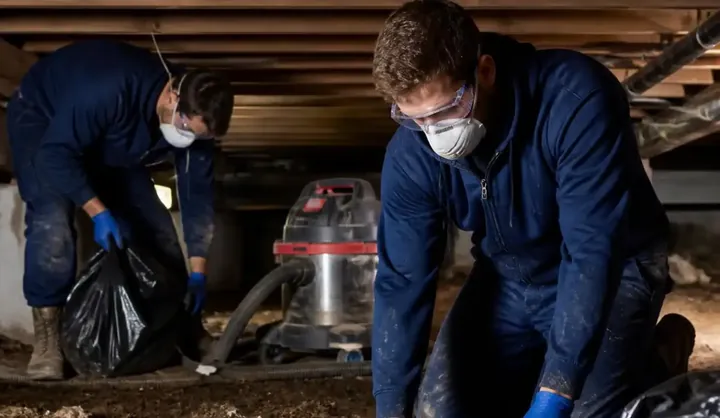
Crawl space encapsulation in Cannonborough-Elliotborough
Cannonborough-Elliotborough is a pair of adjoining neighborhoods on the west-central part of the Charleston peninsula, running between the upper King Street corridor and the Ashley River side of downtown. Its streets are lined with wood-framed houses, cottages and small multi-unit buildings, many of them from the late nineteenth and early twentieth centuries, and a large number have been renovated in the last couple of decades.
Renovation here often stops at the floor. New kitchens, refinished heart pine and fresh paint sit on top of a crawl space that has had little attention for generations. That is where the moisture lives, and it is why we hear so often about musty smells and soft floors in houses that look brand new inside. We seal and dry the space so the work upstairs is not wasted.
What makes Cannonborough-Elliotborough crawl spaces different
Wood-frame construction on piers. Many homes are lighter wood-framed structures on brick or masonry piers rather than the heavy masonry of older downtown districts. Wood in contact with damp air and soil is more exposed.
Heavy renovation and flipping. Houses are bought, updated and resold quickly. Cosmetic work is thorough, but crawl spaces are often left as they were or covered with a thin plastic sheet.
Low ground close to the Ashley River. Parts of the neighborhood are among the lowest on the peninsula and are known for water on the street during heavy rain.
Dense infill. New construction sits next to old on narrow lots, changing how water drains between properties.
Mixed uses. Houses, apartments and small commercial buildings sit on the same blocks, with different mechanical and plumbing demands.
Homes in Cannonborough-Elliotborough
The housing stock includes Charleston single houses, cottages, Victorian-era frame houses, shotgun-style homes and small apartment buildings. Many have front porches and piazzas, and many have additions, rear wings and sheds built over the years.
Underneath, the foundations are as varied as the architecture. Brick piers are common, sometimes with infill walls between them and sometimes open to the air. Additions often sit on different piers or slabs from the original house. It is also common to find old foundations altered for plumbing, HVAC and electrical upgrades, with gaps, patches and cut framing.
Because so many houses here have recently changed hands, buyers and sellers often learn about crawl space problems during inspections. Inspectors regularly flag damp soil, wet insulation and mold in this part of town.
Water, soil and flood conditions in Cannonborough-Elliotborough
Low-lying blocks. Several blocks near the Ashley River side collect water in heavy storms, and some streets are known for flooding.
Tidal groundwater. Groundwater rises and falls with tides and storms, especially in the lowest sections.
Compacted urban soil. Years of fill, construction and paving mean water does not drain as freely as in open ground.
Drainage between close neighbors. Water moves from one lot to the next, and a new house next door can change where runoff goes.
Humid, salty air. The nearby river and harbor keep humidity high, and salt air speeds corrosion of ductwork and metal supports.
Crawl space problems we see in Cannonborough-Elliotborough
- Thin black plastic laid over dirt, torn or unsealed, giving the appearance of a barrier without the function
- Wet fiberglass insulation sagging or lying on the ground
- Mold on joists, particularly under kitchens and bathrooms
- New HVAC ductwork running through damp, unsealed crawl spaces and sweating in summer
- Rot at sill plates and the bottom of posts
- Cracked or leaning brick piers
- Plumbing leaks left over from earlier renovations
- Cut or notched joists weakened during past work
- Standing water at the low end after storms
What we usually recommend in Cannonborough-Elliotborough
Honest cleanout. If a house was flipped and the crawl space was ignored, we start with a full cleanout, removing failed insulation and debris, and treating mold where it is present. See mold remediation.
Framing repairs. Notched, rotted or undersupported joists are reinforced or replaced. See crawl space repair.
Drainage where it is needed. In the lowest blocks, drainage and a sump pump are often part of the right plan.
Upgrading old plastic. Where a thin sheet is already in place, we remove it and install a proper reinforced vapor barrier with sealed seams and wall coverage.
Sealed vents and dehumidification. Vent sealing and a dehumidifier hold the space in range.
Protecting the ducts. If new ductwork runs through the crawl space, sealing and insulating the space brings it inside the thermal envelope and stops the sweating.
All of it together is full crawl space encapsulation.
Buying or selling in Cannonborough-Elliotborough
Because so many homes here are renovated and resold, crawl space findings often come up during real estate transactions. If you are buying, an inspection report that mentions moisture, mold or damp soil is worth following up before closing. If you are selling, a clean, dry, documented crawl space removes a common point of negotiation.
We can inspect, document the condition with photographs and give you a written scope and price. We cannot predict how a particular buyer or lender will respond, but clear information is almost always better than an unknown.
The process in a Cannonborough-Elliotborough home
- Inspection. We check the framing, piers, soil, ducts and plumbing, and take readings and photographs.
- Plan. A written scope names each step and material.
- Cleanout and treatment. Debris and failed materials are removed and mold is treated.
- Repairs and drainage. Structural and water issues are corrected first.
- Sealing. Liner, seams, vents and penetrations are sealed.
- Conditioning. Insulation and dehumidifier complete the system.
- Walkthrough. We explain the result and how to keep it healthy.
A typical project in Cannonborough-Elliotborough
Many of our calls here come from the middle of a transaction. An inspector has noted damp soil, a buyer wants the issue handled before closing or a seller wants to head off a repair request. Those jobs run on a deadline, so we focus on delivering a clear written scope quickly, with photographs the other side can read.
The work itself follows the usual sequence, with a few local twists. Thin plastic from an earlier flip is pulled out rather than built over. New HVAC ductwork that was run through a vented space is sealed and brought inside the conditioned envelope. Notched or cut joists from past plumbing jobs are reinforced. And in the low blocks near the Ashley River side, drainage and a sealed sump basin are installed before the liner goes down.
Because lots are narrow and neighbors close, access and noise are part of the plan. We coordinate with neighbors where shared walls or fences are involved and keep the work area tidy.
Keeping a Cannonborough-Elliotborough crawl space healthy
Renovated houses deserve a maintenance habit to match. Keep a copy of the scope and photographs with your house records. Check that the dehumidifier is running and draining. If you later add a bathroom, kitchen or HVAC zone, tell the contractor not to cut through the liner without resealing it. And keep an eye on the lowest corner of the space after heavy rain, since that is where water shows up first on this part of the peninsula.
Local rules and practical notes
Historic districts. Parts of the neighborhood fall within Charleston's historic districts. Most of our work is inside the foundation, and we seal vents from the inside. If anything affects visible exterior features, check with the city first.
Flood zones and flood vents. Many properties are in mapped flood zones. Confirm requirements before altering engineered flood vents.
Tight infill lots. Narrow side yards and shared fences mean we plan access, equipment and debris removal carefully.
What crawl space work costs in Cannonborough-Elliotborough
Cost depends on access, the amount of debris, whether drainage is needed and what repairs the framing requires. A recently renovated house with a clean, dry crawl space is simple. One with tidal groundwater, old insulation and cut framing costs more. We quote after inspection. See the cost guide for planning ranges. Neighbors in Harleston Village and Wagener Terrace face related conditions.
Frequently asked questions
My house was just renovated. Why would the crawl space still be damp?
Renovations rarely include the crawl space. If it still has bare soil, open vents and no drainage, humidity will keep building regardless of what was done upstairs.
Can you fix a crawl space before I sell?
Yes. We can clean, repair and seal the space, and document it with photographs and a written scope.
Is a thin plastic sheet enough?
Usually not. Thin plastic tears, is rarely sealed and does not address vents or humidity. A proper liner and a dehumidifier work as a system.
My ductwork sweats under the house. Can you fix that?
Often, yes. Sealing and conditioning the crawl space reduces the condensation that forms on ducts in summer.
Do you work on small multi-unit buildings?
Yes. We coordinate access with owners and tenants.
How do I schedule an inspection?
Call (877) 720-8173 and tell us your street and what you are seeing.
Own or buying in Cannonborough-Elliotborough? Call and we will check the crawl space.
Call (877) 720-8173