
Why foundation vents made sense once, and why they do not now
For decades, building practice called for vents in crawl space walls. The thinking was simple: let outside air move through the space, and it will carry moisture away. In a dry climate, or during dry months, that can help.
Charleston is not that climate. For much of the year, the air outside is wetter than the air you want under your house. Summer dew points sit in the 70s. When that warm, humid air flows through an open vent and meets cooler wood, ductwork, pipes and soil, the moisture condenses. The crawl space does not dry out. It gets wetter.
Building science research and codes have moved on. The International Residential Code, which South Carolina follows, allows unvented crawl spaces when specific conditions are met, such as a continuous vapor retarder on the ground and either mechanical drying or conditioned air supply. Sealing the vents, as part of a complete system, is now the accepted approach in humid climates.
Open vents let in more than air
Humidity is the biggest issue, but not the only one.
Moisture and condensation. Humid air condenses on cooler surfaces such as ductwork, plumbing and framing. The water drips onto the liner or soil and keeps the cycle going.
Mold growth. Humid conditions at wood surfaces allow mold to take hold. See mold remediation.
Pests. Open vents provide direct access for rodents, insects and other animals. Screens fail, tear and rust.
Flood water and debris. During storm surge and heavy rain, vents let water and debris in.
Energy loss. Air leaking through the crawl space moves through the floor into the living space. This increases the load on cooling in summer and heating in winter.
Poor air quality indoors. Because of the stack effect, a meaningful share of crawl space air ends up in the rooms above.
What vent sealing and air sealing includes
Vent sealing is the most visible step, but a sealed crawl space means closing every path air takes in.
Foundation vent closure. Vents are blocked from the inside with rigid material and sealed around the edges so no air moves through. Many homeowners prefer that the exterior look not change, so the vent covers stay in place while the inside is sealed.
Rim joist sealing. The area where the floor system meets the foundation is one of the biggest leaks. It is sealed with foam or other approved material.
Penetration sealing. Gaps around pipes, wires, ducts and conduits that pass through the foundation or floor are sealed.
Access door sealing. The crawl space access door is gasketed and insulated so it does not become a hole in the system.
Sealing at the liner. The vapor barrier is sealed to walls and piers so it connects to the rest of the air barrier. See vapor barrier installation.
Foundation gaps and cracks. Visible openings in masonry and mortar joints are sealed with suitable materials.
When sealing vents is a mistake
Closing vents is not a standalone fix. It works when it is part of a complete system, and it can cause trouble when done alone.
If you close the vents and leave the dirt floor open, ground moisture builds up in a sealed space. If you close the vents and the space takes on water, the water has nowhere to go. If you close the vents without a way to control humidity, moisture from the ground and from the house can accumulate.
That is why we pair vent sealing with a vapor barrier, drainage where needed and a dehumidifier. If a homeowner or another contractor has closed vents without these pieces, we can complete the system.
Combustion appliances and safety
If your crawl space contains a gas appliance, such as a water heater or furnace, or any fuel-burning equipment, it needs combustion air. We check for appliances during the inspection. If your crawl space contains equipment that draws air from the space, we plan the sealing around it, which may include providing dedicated combustion air or ducting. Safety comes first, and we do not seal around fuel-burning appliances without addressing air supply.
Flood vents are different
Some Charleston homes, especially those in flood zones, have engineered flood vents. These are built to let water flow in and out during a flood, to relieve pressure on the walls. They are required by floodplain rules in some situations and should not be permanently blocked without understanding local requirements.
If you have flood vents, tell us. In some cases the vents can be fitted with insulated covers that are removable, and in others the home needs a different approach. We explain the options and recommend you check with your local floodplain administrator or insurance agent when floodplain rules apply.
Historic homes and exterior appearance
In historic districts, the exterior look of foundation vents matters. We usually seal vents from the inside, so the exterior appearance does not change. If any work would alter the exterior, it may need review from the local design review board. We tell you when to check before work begins.
Our vent sealing process
- Inspect the space. We find every vent, penetration and air leak and check for combustion appliances and flood vents.
- Fix moisture first. Standing water, leaks and structural issues are handled before sealing.
- Prepare the surfaces. Openings are cleaned and prepped.
- Seal the vents. Rigid material is cut to fit and sealed in place from the inside.
- Seal the rim joist and penetrations. Foam and sealants close gaps.
- Seal the access door. A gasketed, insulated door finishes the envelope.
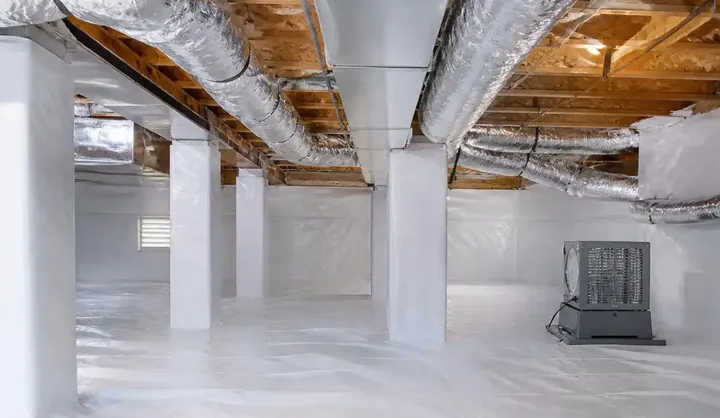
- Condition the space. The dehumidifier and liner complete the system as part of encapsulation.
Signs your vents are hurting your crawl space
- Condensation on ducts, pipes or the underside of the floor in summer
- Musty smell that is stronger in humid weather
- Mold on joists near vents
- Rust on metal near vents
- Rodents or insects entering through vents
- Water or debris entering during storms
- A crawl space that feels damp even when it has not rained
- Cold or hot floors that follow outdoor temperatures
What vent sealing costs in Charleston
Vent and air sealing is usually a modest part of a larger project. Cost depends on the number of vents, the rim joist length, how many penetrations there are and the access. When sealed as part of full encapsulation, it is priced in the overall scope. Our cost guide shows the broader picture.
Why Charleston homeowners choose us for sealing
We have been under enough Charleston houses to know how air really moves through them. We seal the space thoroughly and check for the appliances and flood vents that change the plan. Our background in mold inspection and remediation shapes how we think about moisture, and we work across neighborhoods from the peninsula to West Ashley, James Island and Daniel Island.
Questions to ask before sealing your crawl space vents
Sealing vents changes how the whole space behaves, so a few questions help make sure it is done safely and correctly.
- Is the crawl space also getting a liner and dehumidifier?
- Are there gas appliances or any equipment that needs combustion air?
- Are my vents standard vents or engineered flood vents?
- Will the exterior appearance change?
- How are the rim joist and penetrations being sealed?
- What will keep humidity in range after the vents are closed?
Contractors who skip these questions are treating vent sealing as a quick task instead of one part of a moisture system.
What changes after your vents are sealed
Homeowners are often surprised by how quickly the space changes. Within days, the musty smell begins to fade. Condensation on ducts stops forming. Humidity readings settle, and the dehumidifier reaches a steady rhythm. The house itself may feel different, with floors that stay closer to room temperature and fewer swings in indoor humidity. None of this is magic. It is what happens when you stop pulling Charleston's outdoor air through the space under your home.
Frequently asked questions
Should I close my crawl space vents in Charleston?
In most cases, yes, as part of a complete system with a liner and dehumidification. Closed vents on their own can trap ground moisture, so we recommend the full approach.
Is it legal to seal crawl space vents?
South Carolina follows the International Residential Code, which allows unvented crawl spaces when specific requirements are met. Local rules and flood zone requirements may apply, so we check them with you.
What about flood vents?
Engineered flood vents are different from standard vents and may be required by floodplain rules. We discuss options and recommend checking with your local floodplain administrator.
Will sealing vents make the house hotter?
A sealed, conditioned crawl space generally reduces the humid air load your cooling system faces. Many homeowners notice floors that are more comfortable.
Can I seal the vents myself?
Some homeowners do, but without the rest of the system, you risk trapping moisture. We recommend an inspection first.
Do I need to seal anything outside?
We typically seal from the inside. If exterior vents are damaged or need replacement, we discuss options with you.
Are your crawl space vents helping or hurting? Call and we will check.
Call (877) 720-8173